
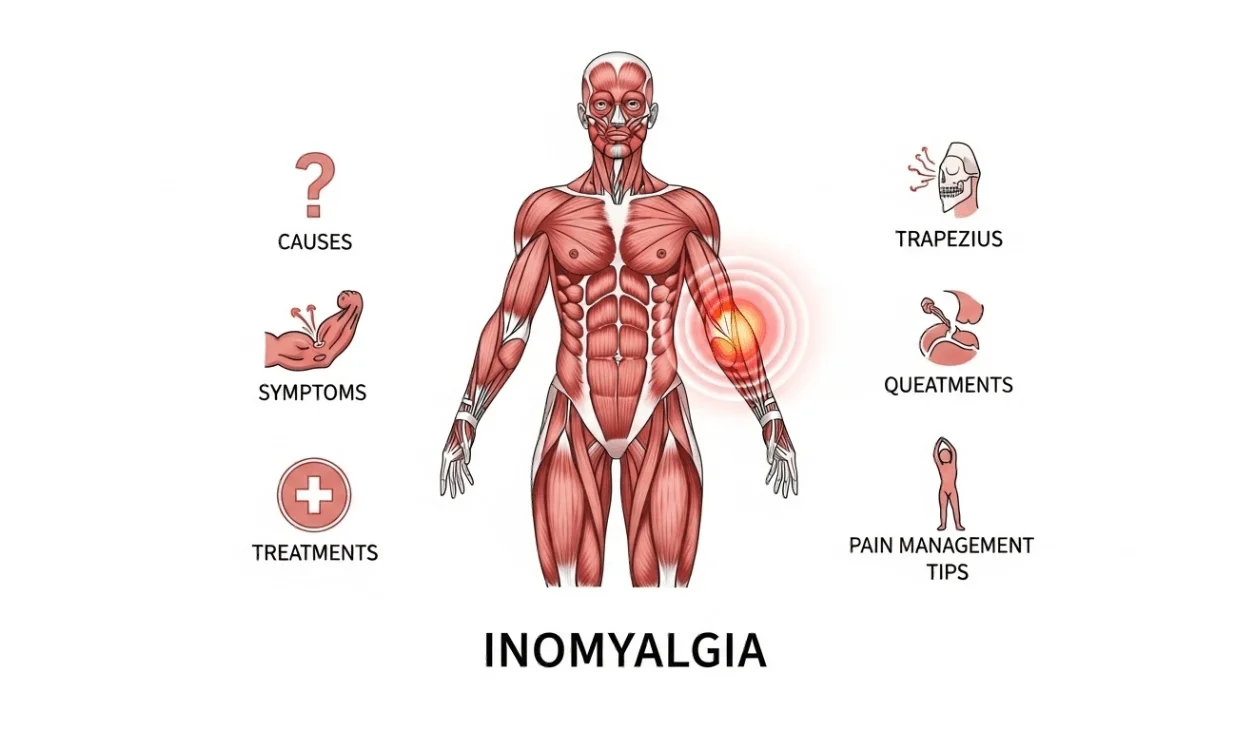
Inomyalgia: Understanding the Silent Muscle Disorder
Inomyalgia is a medical condition that is increasingly gaining attention in the healthcare community due to its complex nature and widespread impact on individuals’ quality of life. While often overlooked, inomyalgia significantly affects daily functioning, making awareness and early intervention crucial. This article delves into the causes, symptoms, treatment options, and lifestyle strategies associated with inomyalgia, providing a thorough understanding of this condition.
What is Inomyalgia?
Inomyalgia refers to a disorder characterized by chronic muscle pain, tenderness, and stiffness, often without an immediately identifiable cause. Unlike typical muscle soreness resulting from exercise or physical exertion, inomyalgia persists over weeks or months and may interfere with normal activities. The pain is frequently diffuse, affecting multiple regions, including the shoulders, back, and hips.
Although the term is relatively new in mainstream discussions, healthcare providers have noted an increasing number of patients presenting with symptoms consistent with inomyalgia. Its multifactorial nature makes diagnosis challenging, and patients often require comprehensive assessments to distinguish it from similar conditions, such as fibromyalgia or myositis.
Causes of Inomyalgia
The exact cause of inomyalgia remains a subject of ongoing research. However, studies suggest a combination of factors may contribute to the condition:
-
Muscle Overuse – Repeated strain or prolonged physical activity without adequate rest can trigger chronic muscle pain.
-
Stress and Anxiety – Psychological stress has been linked to heightened muscle sensitivity and pain perception, making stress management an essential aspect of treatment.
-
Nutritional Deficiencies – Low levels of essential vitamins and minerals, such as vitamin D and magnesium, may exacerbate muscle discomfort.
-
Underlying Medical Conditions – Hormonal imbalances, autoimmune disorders, and certain infections can increase susceptibility to inomyalgia.
Understanding the root causes is vital, as effective management often requires a combination of medical, nutritional, and lifestyle interventions.
Symptoms to Recognize
The hallmark of inomyalgia is chronic muscle pain, but it is often accompanied by other symptoms that collectively impact daily living. Common signs include:
-
Persistent muscle stiffness and tenderness
-
Fatigue or decreased energy levels
-
Sleep disturbances due to discomfort
-
Mild swelling or muscle spasms
-
Difficulty performing routine physical tasks
Patients with inomyalgia may also experience psychological effects, such as irritability, anxiety, or depression, highlighting the importance of a holistic approach to care.
Diagnosing Inomyalgia
Diagnosis of inomyalgia can be challenging because its symptoms overlap with various musculoskeletal disorders. Healthcare professionals typically perform a detailed medical history review, physical examination, and laboratory tests to rule out other conditions. Advanced imaging, such as MRI or ultrasound, may be recommended in specific cases to assess muscle tissue integrity.
Early diagnosis is essential, as it allows for timely interventions that can prevent symptom progression and improve overall quality of life.
Treatment Options
Managing inomyalgia often requires a multi-pronged approach. While there is no universal cure, the following strategies have shown promise:
-
Medications – Nonsteroidal anti-inflammatory drugs (NSAIDs) and muscle relaxants may help alleviate pain and reduce inflammation. In some cases, doctors may prescribe low-dose antidepressants to address nerve sensitivity and sleep issues.
-
Physical Therapy – Tailored exercise programs strengthen muscles, improve flexibility, and reduce pain. Regular physical activity, even mild exercises like stretching or yoga, can make a significant difference.
-
Nutritional Support – Ensuring adequate intake of essential nutrients, particularly vitamin D, magnesium, and protein, supports muscle health and can mitigate inomyalgia symptoms.
-
Stress Management – Techniques such as meditation, mindfulness, and deep-breathing exercises help reduce muscle tension and promote relaxation.
-
Alternative Therapies – Acupuncture, massage therapy, and hydrotherapy may provide additional relief for some individuals.
A personalized treatment plan is essential, as the effectiveness of these interventions varies based on the individual’s condition and lifestyle.
Lifestyle Tips to Cope with Inomyalgia
In addition to medical treatment, lifestyle adjustments can greatly improve the daily experience of those with inomyalgia. Practical strategies include:
-
Prioritizing rest and avoiding overexertion
-
Maintaining a balanced diet rich in lean protein and minerals
-
Staying hydrated to support muscle function
-
Incorporating gentle, low-impact exercises into the daily routine
-
Monitoring stress levels and practicing regular relaxation techniques
Such proactive steps can complement clinical interventions, offering both short-term relief and long-term management benefits.
The Importance of Awareness
Awareness of inomyalgia is vital, not only for patients but also for healthcare providers. Misdiagnosis or delayed recognition of the condition can lead to prolonged discomfort and decreased quality of life. By understanding the symptoms, causes, and treatment options, individuals can seek timely care and implement effective strategies to manage their condition.
Furthermore, ongoing research is essential to unravel the complex mechanisms behind inomyalgia, leading to more targeted treatments in the future. With increased awareness and evidence-based interventions, those affected can achieve meaningful relief and improved functional outcomes.
Conclusion
Inomyalgia may be a complex and often overlooked muscle disorder, but with proper understanding and management, individuals can lead active, fulfilling lives. By combining medical care, lifestyle adjustments, and stress management techniques, patients can effectively address the challenges posed by inomyalgia.
If you suspect you might be experiencing persistent muscle pain or other related symptoms, consulting a healthcare professional is the first step toward relief. Awareness, early intervention, and a comprehensive approach are the keys to managing inomyalgia successfully.