
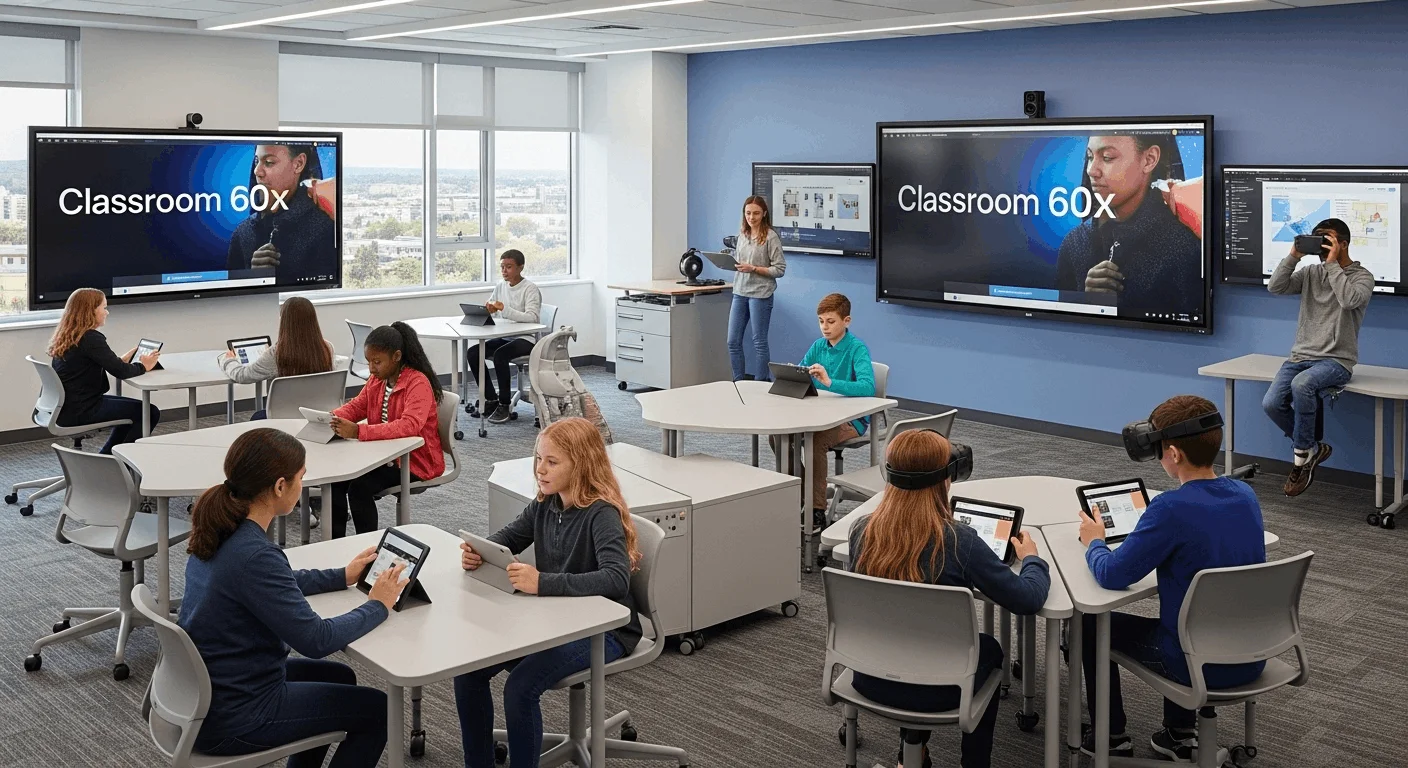
Classroom 60x: Transforming Modern Learning with Smart Innovation
In today’s rapidly evolving educational landscape, technology continues to reshape how students learn and teachers instruct. Among the emerging concepts gaining attention is classroom 60x, a progressive learning model designed to enhance engagement, collaboration, and digital integration. As schools strive to meet the demands of 21st-century education, classroom 60x stands out as a forward-thinking approach that combines smart tools, flexible environments, and student-centered teaching strategies.
This article explores what classroom 60x means, how it works, and why it is becoming a vital component of modern education systems.
What Is Classroom 60x?
At its core, classroom 60x represents an upgraded educational environment built around innovation and technology. Unlike traditional classrooms that rely heavily on lectures and static teaching methods, this model emphasizes interaction, adaptability, and personalized learning.
In essence, classroom 60x focuses on multiplying learning effectiveness—“60x” symbolizing exponential improvement in engagement and outcomes. While the name suggests acceleration, the philosophy centers on sustainable development through smart classroom design, digital tools, and collaborative activities.
Moreover, the approach integrates advanced technologies that align with global digital transformation trends. For instance, interactive screens, cloud-based platforms, and AI-powered assessments help create an immersive learning atmosphere.
The Evolution of Smart Learning Environments
To fully understand classroom 60x, it is helpful to look at the broader context of smart education. Over the last decade, digital transformation has revolutionized traditional teaching models. Schools increasingly use platforms inspired by global education technology initiatives to streamline collaboration and remote access.
As shown in modern smart classrooms, technology is no longer a supplementary tool; instead, it forms the foundation of instruction. Consequently, classroom 60x builds upon these advancements by integrating multiple systems into one cohesive ecosystem.
Furthermore, the shift toward blended learning—combining online and offline instruction—has accelerated in recent years as global events reshaped educational delivery worldwide. Therefore, adaptable and tech-enhanced models like classroom 60x have become more relevant than ever.
Key Features of Classroom 60x
1. Technology-Driven Infrastructure
First and foremost, classroom 60x prioritizes smart devices and digital connectivity. High-speed internet, cloud storage, and AI-based analytics support both teachers and students. Additionally, learning management systems enable assignment tracking, feedback automation, and communication in real time.
Because of these features, teachers can monitor performance more efficiently. At the same time, students gain access to learning materials anytime and anywhere.
2. Student-Centered Learning
Unlike traditional lecture-based formats, classroom 60x encourages participation. Project-based learning, group discussions, and hands-on activities play a central role. As a result, students develop critical thinking, creativity, and collaboration skills.
Moreover, personalized learning paths allow educators to adjust content based on individual progress. This flexibility ensures that every learner moves at an appropriate pace, which ultimately enhances academic outcomes.
3. Data-Driven Assessment
Another defining element of classroom 60x is data analytics. Digital platforms collect insights about attendance, engagement, and performance. Consequently, educators can identify gaps quickly and provide targeted interventions.
For example, AI-supported quizzes automatically analyze results and suggest improvement areas. Therefore, assessment becomes continuous rather than limited to final exams.
4. Flexible Physical Design
Physical space also matters significantly. Smart Classroom often includes modular furniture, collaborative seating, and interactive boards. Such arrangements promote communication and teamwork instead of rigid, row-based layouts.
In addition, lighting and acoustics are optimized to create a comfortable learning atmosphere. This holistic design approach ensures that both digital and physical environments work together harmoniously.
Benefits of Classroom 60x
The advantages of classroom 60x extend beyond simple technological upgrades. In fact, the model delivers measurable improvements in engagement and efficiency.
Improved Engagement
Interactive tools capture students’ attention more effectively than passive lectures. When learners actively participate through multimedia content or collaborative projects, retention rates increase significantly.
Greater Accessibility
Because digital materials are stored online, students can review lessons outside school hours. This accessibility is particularly beneficial for remote learners or those needing extra revision time.
Enhanced Teacher Productivity
Automation tools reduce administrative workload. For example, grading systems and attendance tracking free up time for instructional planning. Consequently, teachers can focus more on mentoring and creative teaching strategies.
Preparation for the Future
In today’s digital economy, technological literacy is essential. By incorporating modern tools into everyday learning, classroom 60x prepares students for higher education and future careers.
Challenges and Considerations
Despite its many benefits, implementing classroom 60x is not without challenges. Schools must consider budget constraints, teacher training, and cybersecurity measures.
Financial Investment
Smart boards, devices, and software subscriptions require funding. Therefore, institutions must plan carefully and possibly seek partnerships or grants to support implementation.
Professional Development
Teachers need proper training to utilize digital tools effectively. Without adequate preparation, even advanced systems may not reach their full potential.
Digital Security
Since classroom 60x relies heavily on online platforms, data protection becomes crucial. Schools must implement secure networks and educate students about responsible digital behavior.
How Schools Can Implement Classroom 60x
To transition successfully, institutions should adopt a phased approach. First, assess current infrastructure and identify gaps. Next, introduce pilot programs to test tools and gather feedback. Finally, scale implementation based on measurable results.
Moreover, collaboration between administrators, teachers, students, and parents ensures smoother adoption. Clear communication about goals and expectations also helps build trust in the new system.
Importantly, technology should support pedagogy—not replace it. While digital tools enhance efficiency, human interaction remains at the heart of effective education.
The Future of Classroom 60x
Looking ahead, Smart Classroom is likely to evolve alongside emerging technologies such as artificial intelligence, virtual reality, and adaptive learning systems. As these innovations mature, learning environments will become even more immersive and personalized.
Additionally, global collaboration may expand through virtual exchanges and international partnerships. Students could work on shared projects across continents, further broadening their perspectives.
Ultimately, Smart Classroom represents more than a trend—it reflects a fundamental shift toward dynamic, technology-enabled education. By embracing innovation while maintaining strong pedagogical foundations, schools can create environments where students thrive academically and socially.
Conclusion
In summary, classroom 60x is redefining how education is delivered in the digital age. Through smart infrastructure, personalized instruction, and data-driven insights, this model enhances both teaching and learning experiences. Although challenges exist, thoughtful planning and investment can overcome them.
As education continues to adapt to global changes, classroom 60x offers a scalable, future-ready solution. Therefore, institutions that embrace this approach are better positioned to equip students with the skills and knowledge needed for tomorrow’s world.