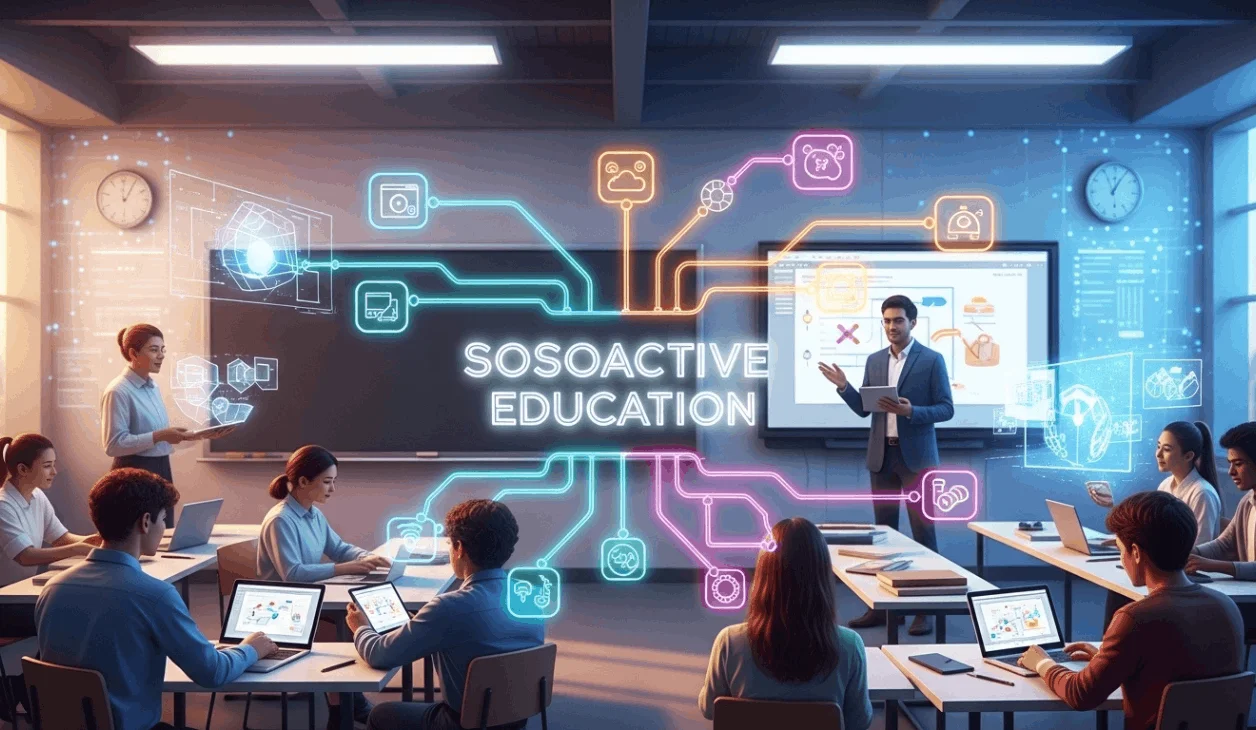
Sosoactive Education: Transforming Learning in the Digital Era
In today’s fast-paced world, education is no longer confined to traditional classrooms. With the rise of technology, sosoactive education has emerged as a revolutionary approach to learning, blending innovation, interactivity, and accessibility. This modern educational model aims to make learning more engaging, effective, and tailored to individual needs.
Understanding Sosoactive Education
At its core, sosoactive education integrates digital tools, interactive platforms, and personalized learning strategies to enhance the student experience. Unlike conventional teaching methods that often rely on passive instruction, sosoactive education emphasizes active participation, critical thinking, and practical application of knowledge. This approach is designed to stimulate learners’ curiosity and foster long-term retention.
One of the key principles of Interactive learning is the concept of “learning by doing.” Students are encouraged to engage with content through interactive exercises, collaborative projects, and real-world problem-solving. By actively participating in their education, learners develop not only academic skills but also critical soft skills, such as communication, adaptability, and teamwork.
The Benefits of Sosoactive Education
The rise of sosoactive education brings numerous benefits for both students and educators. For students, the personalized nature of this learning model allows them to progress at their own pace, revisit challenging topics, and explore subjects that match their interests. This flexibility enhances motivation and ensures a deeper understanding of the material.
Educators, on the other hand, benefit from advanced analytics and reporting tools embedded in Interactive learning platforms. These tools provide valuable insights into students’ learning patterns, strengths, and areas for improvement. By leveraging this data, teachers can adapt their instruction, offer targeted support, and create a more inclusive learning environment.
Additionally, sosoactive education encourages collaboration beyond the physical classroom. Through virtual discussion boards, group projects, and video conferencing, students can engage with peers from diverse backgrounds. This global perspective fosters cultural awareness and equips learners with skills necessary for success in an increasingly interconnected world.
Innovative Tools Driving Sosoactive Education
Several technological tools play a pivotal role in enabling sosoactive education. Learning Management Systems (LMS) provide a structured digital environment where students can access materials, submit assignments, and track progress. Gamification elements, such as badges, leaderboards, and interactive quizzes, make learning enjoyable and rewarding. Furthermore, virtual and augmented reality tools create immersive experiences, allowing students to explore complex concepts in a hands-on manner.
Artificial Intelligence (AI) also contributes significantly to Interactive learning by providing personalized learning paths. AI algorithms analyze individual performance, recommend resources, and even predict potential learning challenges. This ensures that students receive timely interventions and support tailored to their needs.
Sosoactive Education in Practice
Across the globe, schools and institutions are adopting sosoactive education to enhance learning outcomes. For instance, some universities now offer hybrid programs that combine in-person instruction with interactive online modules. These programs allow students to benefit from the expertise of faculty while taking advantage of flexible, technology-driven learning experiences.
In K-12 education, teachers are using Interactive learning to make lessons more engaging. Interactive simulations in science classes, collaborative writing tools in language courses, and digital art platforms in creative programs exemplify how technology can enrich traditional curricula. By incorporating sosoactive education principles, educators can create dynamic learning environments that resonate with today’s tech-savvy students.
Overcoming Challenges in Sosoactive Education
Despite its advantages, implementing Interactive learning comes with challenges. One primary concern is ensuring equitable access to technology. Not all students have reliable internet connectivity or access to modern devices, which can hinder participation. Addressing this digital divide requires strategic planning, investment in infrastructure, and community support.
Another challenge is training educators to effectively use digital tools and adopt active teaching methodologies. Professional development programs are essential to equip teachers with the skills needed to navigate the evolving educational landscape. Additionally, maintaining student engagement in a digital environment demands careful instructional design and continuous feedback mechanisms.
The Future of Sosoactive Education
As technology continues to advance, the potential of Interactive learning grows exponentially. Emerging innovations, such as AI-driven adaptive learning, virtual laboratories, and immersive simulations, are poised to redefine the boundaries of education. Schools and institutions that embrace this approach will be better positioned to prepare students for a rapidly changing world.
Moreover, Interactive learning promotes lifelong learning. By fostering curiosity, adaptability, and self-directed learning skills, this model empowers individuals to continuously acquire knowledge beyond formal schooling. In an era where skills and industries evolve quickly, the ability to learn and adapt is invaluable.
Conclusion
Sosoactive education represents a transformative shift in how we approach learning. By integrating technology, personalization, and active engagement, it creates enriched learning experiences that cater to diverse student needs. While challenges exist, the benefits of adopting Interactive learning are undeniable, from enhanced academic performance to the development of essential life skills.
Ultimately, the future of education lies in embracing innovation and prioritizing student-centered learning. As more institutions adopt Interactive learning , learners will enjoy greater flexibility, interactivity, and opportunities to thrive in both academic and professional spheres. By making education more dynamic, inclusive, and adaptive, sosoactive education is not just a trend—it is a blueprint for the future of learning.