
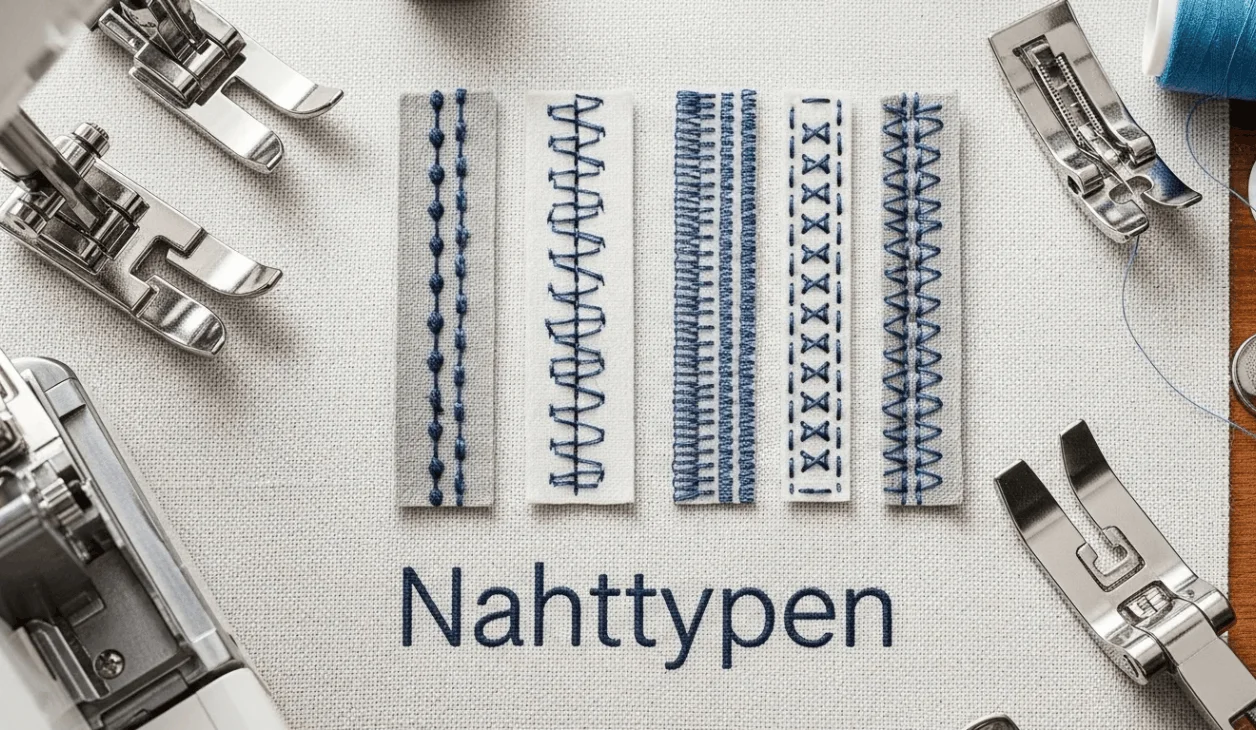
Nahttypen: A Comprehensive Guide to Perfect Sewing Techniques
When it comes to sewing, choosing the right nahttypen is crucial. Whether you are making clothes, home textiles, or decorative projects, the proper seam not only ensures durability but also creates a polished and professional look. In this article, we’ll explore everything you need to know about nahttypen, their applications, and tips for mastering them.
What Are Nahttypen?
The term nahttypen refers to the different techniques used to join fabrics together. It’s not just about functionality; appearance also matters. Each seam type has unique characteristics and is suitable for different fabrics and projects. Selecting the right nahttypen depends on several factors, including fabric type, expected wear, and design requirements.
Common Types of Seams
There are many nahttypen widely used in both fashion and home sewing. Here are some of the most common:
-
Straight Stitch
The straight stitch is the most basic and widely used nahttypen. It’s perfect for straight seams and provides a strong connection with little stretch. This stitch works particularly well with cotton or linen fabrics. -
Zigzag Stitch
The zigzag stitch is versatile and helps prevent fraying along fabric edges. This nahttypen is commonly used on stretchy fabrics like jersey or lycra. -
Overlock Stitch
The overlock stitch is a professional nahttypen that both sews fabrics together and finishes the edges. It’s ideal for garments made from elastic or knitted fabrics. -
Blind Hem Stitch
The blind hem stitch is an elegant stitch types used when hems need to be invisible from the outside. It’s perfect for pants, skirts, or curtains. -
Flat-Felled Seam
The flat-felled seam is a durable nahttypen often used in jeans and workwear. It provides maximum strength while creating a decorative finish.
Choosing the Right Nahttypen
Choosing a seam should not be random. Key factors to consider include:
-
Fabric Type: Thin fabrics require finer seams, while thick fabrics need more robust nahttypen.
-
Load and Stress: Areas under high stress, such as shoulders or pockets, need strong seam types.
-
Appearance: For decorative projects, seams can also enhance the visual design.
By selecting the right stitch types, you can significantly improve both the durability and appearance of your sewing projects.
Tips for Perfect Seams
To get the best results with various stitch types, keep the following tips in mind:
-
Use the right needle and thread: Different fabrics require specific needles and threads. Stretchy fabrics need elastic needles, while thick fabrics need stronger needles.
-
Prepare fabric edges: Cutting or finishing edges before sewing prevents fraying.
-
Sew slowly and evenly: Especially with tricky fabrics, sewing slowly ensures straight and consistent seams.
-
Check machine settings: For every nahttypen, ensure stitch length, width, and tension are properly adjusted.
Nahttypen in Practice
In practice, knowing different nahttypen makes a huge difference. Simple projects like pillowcases benefit from straight stitches, while stretchy garments quickly lose quality without zigzag or overlock seams. Decorative stitch types , such as topstitching or flat-felled seams, can also elevate the design.
Blind hems are excellent for curtains—they remain invisible from the outside but provide a clean and durable finish. On the other hand, flat-felled seams in jeans reinforce heavily stressed areas for long-lasting wear.
Conclusion
Choosing the right nahttypen is essential for quality, durability, and aesthetics in any sewing project. From simple straight stitches to zigzag, overlock, and decorative blind or flat-felled seams, there are many options. Understanding the differences and applying the proper seam technique leads to professional results that are both functional and visually appealing.
With practice and experimentation, you can expand your knowledge of nahttypen and incorporate new techniques into your projects. Ultimately, a carefully chosen seam is the secret behind every successful sewing project.