
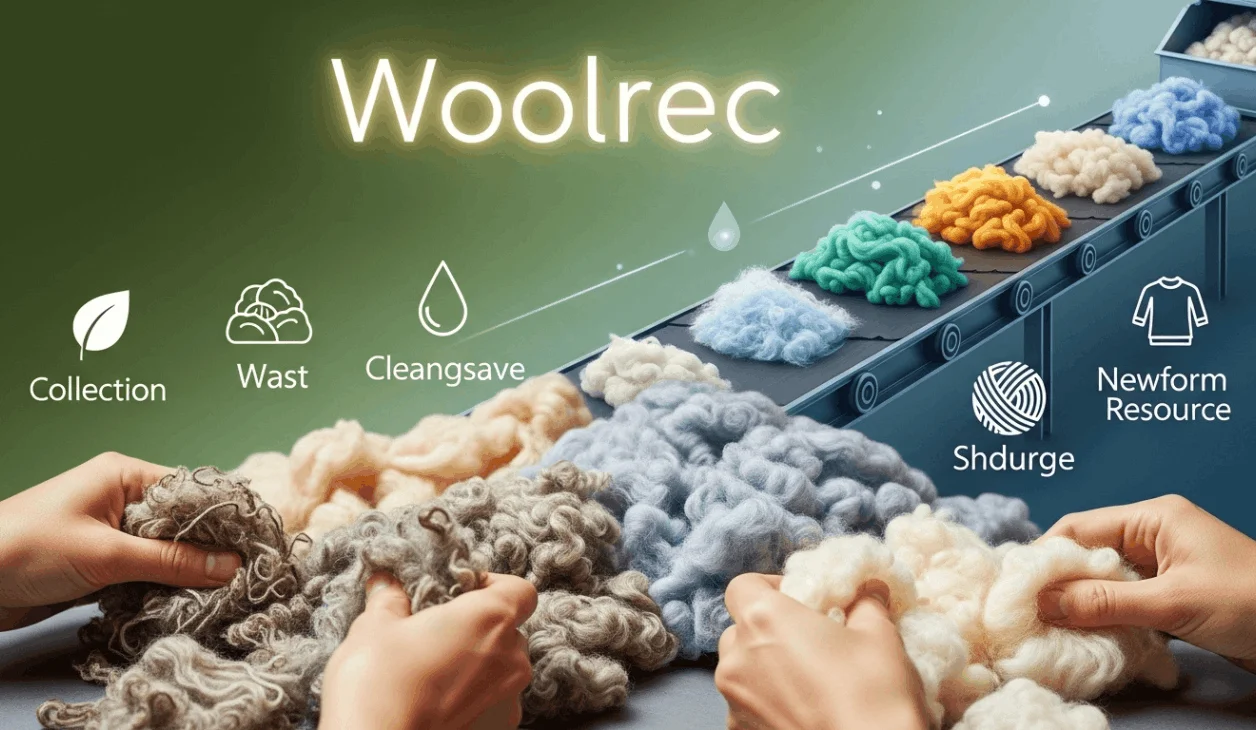
Woolrec : Sustainable Wool Recycling for a Greener Future
In today’s fast-paced world, sustainability is no longer optional—it is essential. Industries everywhere are seeking innovative ways to reduce waste and protect the environment. One remarkable solution in the textile sector is woolrec, a revolutionary system designed to recycle wool efficiently. By focusing on recycling and repurposing wool, woolrec not only reduces environmental impact but also provides practical and economic benefits for manufacturers and consumers alike.
What is Woolrec?
Woolrec is a process that recycles wool from discarded garments, factory offcuts, and other post-consumer or post-industrial sources. Instead of letting wool end up in landfills, woolrec collects, cleans, and processes it into reusable fibers. These fibers can then be transformed into new products such as carpets, insulation, or even clothing. Through woolrec, the natural durability and warmth of wool are preserved, while its lifecycle is extended, promoting a circular economy.
The importance of woolrec extends beyond environmental protection. Wool is a renewable, biodegradable material, but improper disposal can contribute to pollution. By recycling wool, woolrec helps reduce waste, conserve natural resources, and promote sustainable practices across the textile industry.
Environmental Benefits of Woolrec
One of the strongest arguments for woolrec is its positive impact on the environment. Wool production, while renewable, requires significant resources, including water, land, and energy. By recycling wool through woolrec, the need for fresh wool production is reduced, which in turn lowers environmental strain.
Additionally, wool is naturally biodegradable. When wool waste is recycled rather than discarded, it prevents greenhouse gas emissions that result from decomposition. Woolrec also reduces the accumulation of textile waste in landfills, contributing to cleaner cities and a healthier ecosystem. Over time, wider adoption of woolrec can significantly reduce the textile industry’s ecological footprint.
How Woolrec Works
The woolrec process begins with the collection of wool waste from various sources, including textile factories, clothing donations, and household scraps. The collected wool is carefully sorted to remove contaminants, dirt, and non-fiber materials. After cleaning, the fibers undergo carding and blending to restore softness and flexibility.
Once processed, recycled wool can be spun into yarn or combined with other fibers for new applications. Through woolrec, recycled wool maintains high quality, making it suitable for a variety of products without compromising durability or comfort. This systematic approach ensures that recycled wool provides both environmental and economic value.
Economic Advantages of Woolrec
Adopting recycled wool is not only good for the planet but also for the economy. For manufacturers, recycled wool is often a cost-effective alternative to virgin fibers. Businesses that embrace recycled wool can reduce material costs while positioning themselves as environmentally responsible.
Consumers also benefit from recycled wool products. Items made from recycled wool retain the softness, warmth, and durability of new wool, often at a lower price. As consumer demand for sustainable products rises, recycled wool provides a practical and affordable solution that meets modern eco-conscious lifestyles.
Woolrec in Fashion and Design
The fashion industry has long been associated with textile waste. However, brands are increasingly incorporating recycled wool into their production lines. Designers use recycled wool to create garments, accessories, and footwear that are both stylish and sustainable. This practice aligns with the principles of circular fashion, where products are designed for longevity and recyclability.
recycled wool also opens doors for creativity. Designers experimenting with recycled wool can develop unique textures, blends, and patterns that were not possible with conventional wool. By integrating woolrec into fashion, the industry can reduce its environmental impact while still delivering high-quality, aesthetically appealing products.
Challenges and Opportunities
Despite its advantages, recycled wool faces certain challenges. Consistent collection and supply of wool waste are essential for smooth operation. Public awareness about recycling wool is still limited in some regions, and maintaining fiber quality during processing can be complex.
However, these challenges create opportunities for growth. Investment in collection networks, processing technology, and consumer education can strengthen recycled wool initiatives. As awareness and infrastructure improve, woolrec has the potential to become a mainstream solution for sustainable wool management worldwide.
The Future of Woolrec
Looking forward, woolrec is poised to play a key role in sustainable textile practices. Technological advancements in fiber processing will enhance the quality and versatility of recycled wool. Collaboration between manufacturers, designers, and environmental organizations can further boost recycled wool adoption.
Ultimately, recycled wool represents a harmonious balance between sustainability, economy, and innovation. By recycling wool, industries can conserve resources, reduce waste, and support a circular economy. For consumers, choosing products made with recycled wool contributes to a greener future without compromising quality or style.
Conclusion
Woolrec is more than just a recycling process—it is a movement toward sustainability and responsible consumption. By transforming discarded wool into valuable products, recycled wool benefits the environment, the economy, and society. From fashion to insulation and beyond, recycled wool demonstrates that thoughtful recycling can drive positive change. As industries and consumers embrace woolrec, we move closer to a world where resources are valued, waste is minimized, and sustainability becomes the standard.